Roman Heritage
Llíria's Roman heritage includes the impressive Baths of Mura, the 1st-century Roman Mausoleums, the Mosaic of the Twelve Labours of Hercules, the Mura Quarries and the Molló del Pla de l'Arc, just 25 minutes from Valencia. After the Roman conquest, the old Iberian Edeta became a thriving Roman city. The driving force behind this transformation was Marcus Cornelius Nigrinus, a consular senator and contender for the imperial throne in the 1st century AD, who commissioned a spectacular architectural complex at Mura. Today, Llíria's Roman remains rank among the most important in Hispania.
ROMAN QUARRIES OF MURA
Where the city of Edeta began
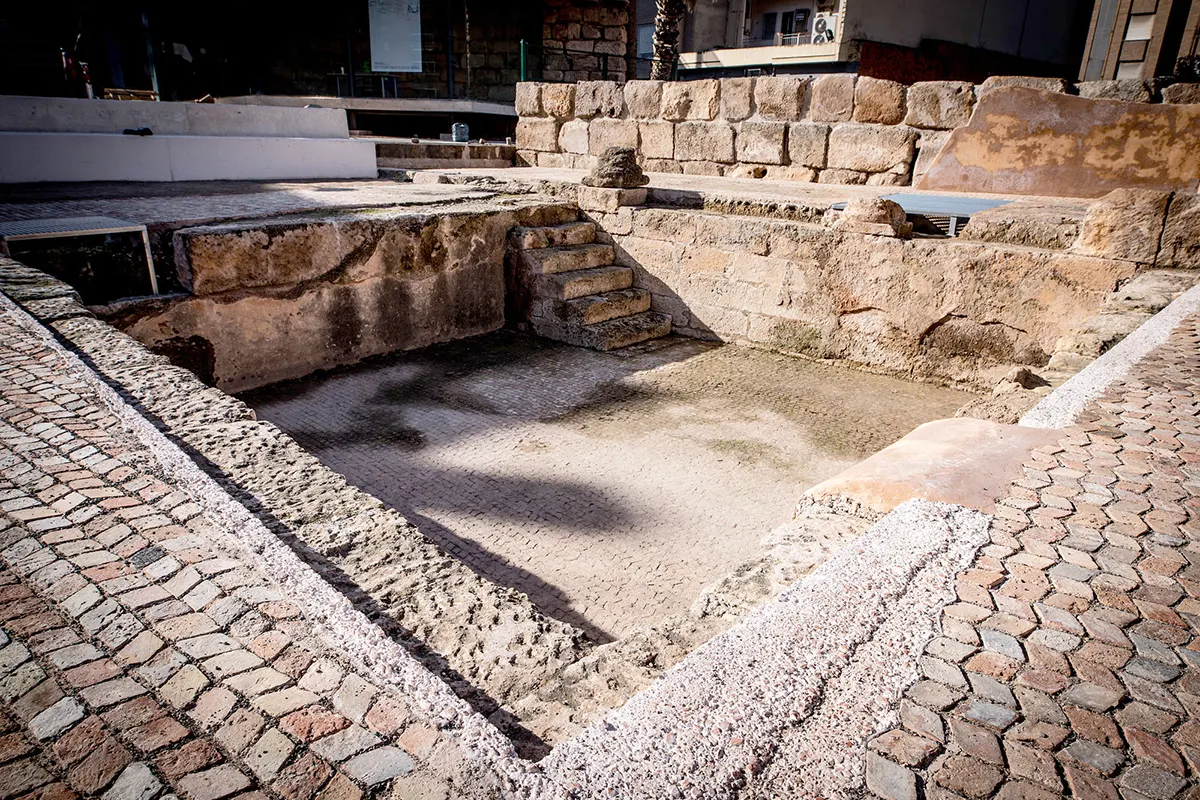
The Mura Quarries are one of the most important records of building activity in ancient Edeta. Much of the stone used for the Roman city's public buildings, monuments and homes was cut here, making the quarries an essential resource for its urban growth.
Traces of Roman labour
The quarry walls still bear the marks left by the tools of Roman stonecutters almost two thousand years ago. This evidence reveals how stone blocks were extracted and transported, and how work was organised in one of the key industries of the Roman world.
An open-air archaeological site
Located next to the IES Camp de Túria secondary school, the quarries offer a unique chance to understand how the Roman city was built. A visit reveals where the materials that shaped Edeta came from and brings you closer to a lesser-known yet essential side of Llíria's Roman heritage.
Location: Av. Alcalde Marcelino García, s/n, 46160 Llíria, Valencia
ROMAN MAUSOLEUMS
1st-Century Funerary Heritage
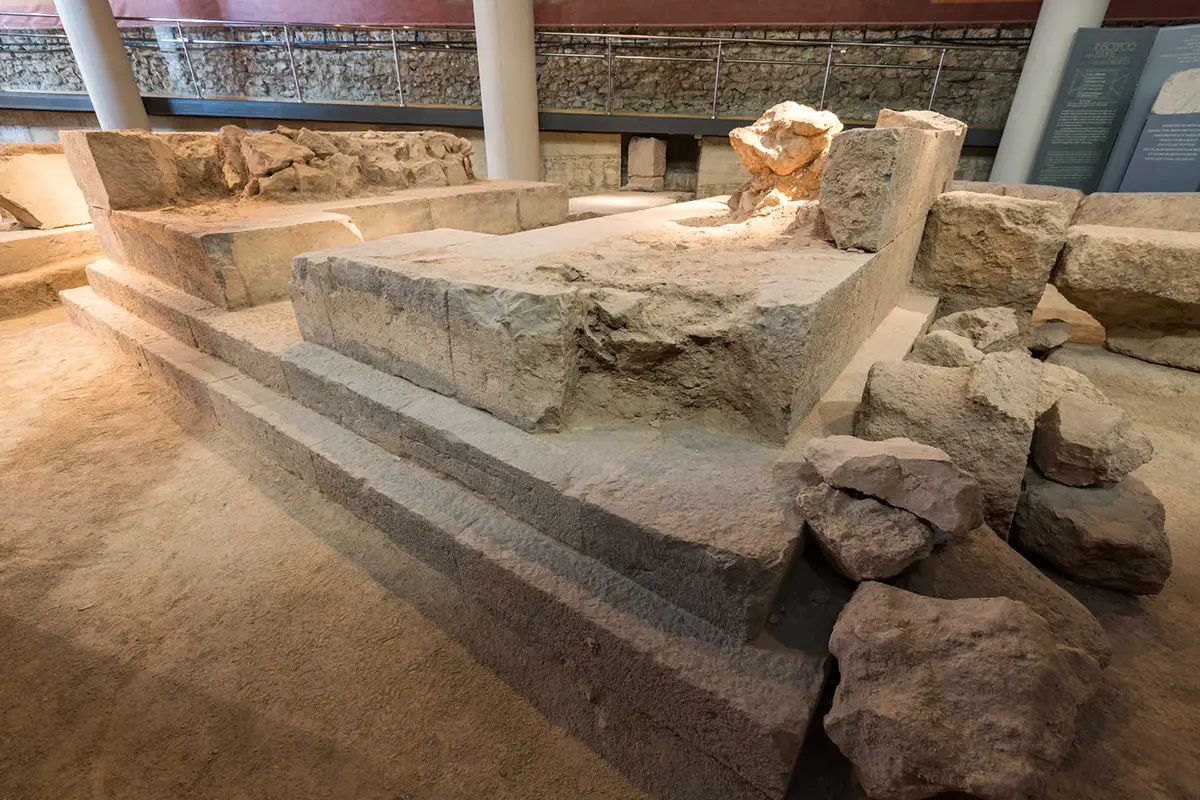
The Roman mausoleums of Llíria form one of the most important groups of 1st-century AD Roman funerary architecture in Hispania. Site of Cultural Interest (BIC). Free admission. Next to the Baths of Mura.
An exceptional funerary ensemble
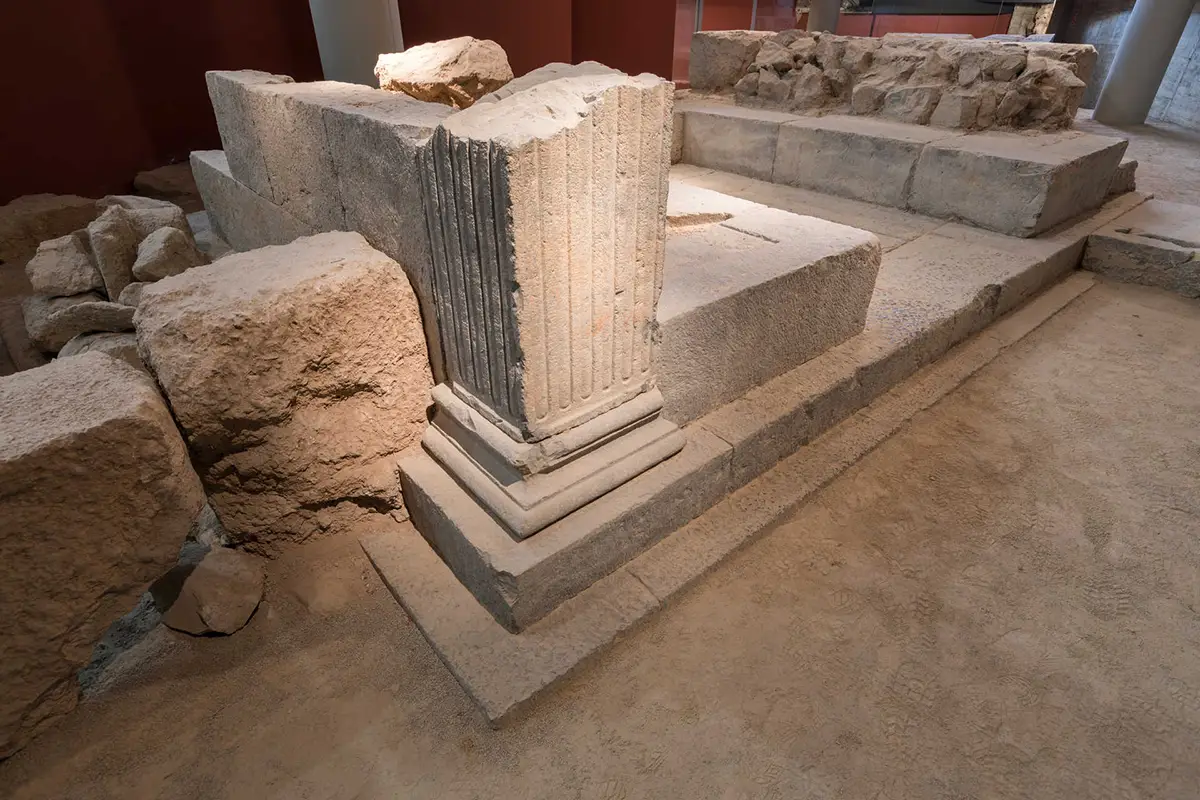
Declared a Site of Cultural Interest (Bien de Interés Cultural), the Roman mausoleums of Llíria are among the most significant examples of 1st-century AD Roman funerary architecture anywhere in Hispania. The two funerary monuments were part of the ancient necropolis of Edeta, on the outskirts of the Roman city, in keeping with the Roman custom of burying the dead outside the city limits.
Inscriptions and memory
The mausoleums preserve original Latin inscriptions that reveal the names and careers of those buried there. Their study has been key to reconstructing the social and political history of Edeta during the Roman city's most splendid period.
The interior: art and devotion
The interior of the church, with three naves separated by pillars, holds important works of art: a slender dome that floods the crossing with light, Baroque altarpieces and, at the high altar, the marble tomb of María Teresa de Silva y Palafox, the last Duchess of Alba, who died in Llíria.
Audiovisual room
An adjoining audiovisual room explains the Roman world of death and burial in the context of Edeta, with information on the rituals, beliefs and funerary architecture of 1st-century AD Roman Hispania.
PRACTICAL INFORMATION
· Opening hours: Tue-Fri 10:00-14:00 and 17:00-19:00 / Sat-Sun and public holidays 10:00-12:00 and 17:00-18:00
· Location: C/ Sant Vicent Ferrer, 19 (next to the Baths of Mura)
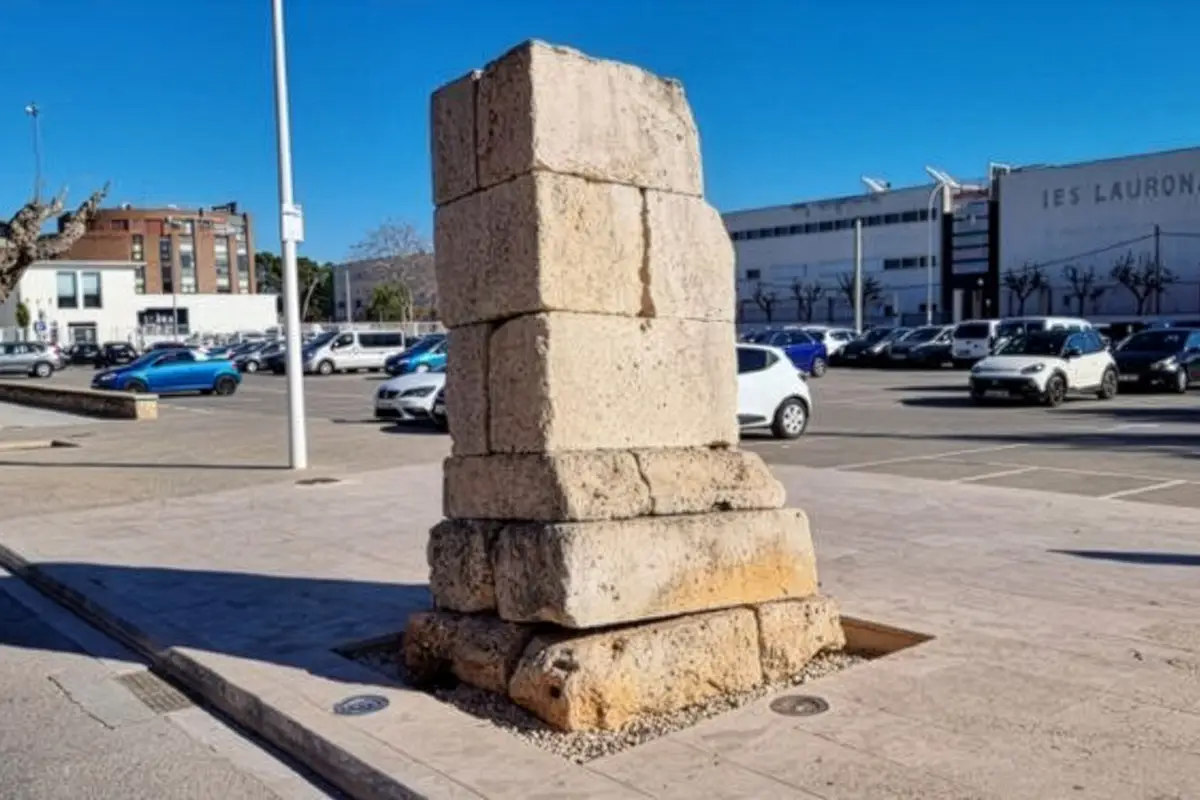
MOLLÓ DEL PLA DE L'ARC
Roman Pillar of Llíria
The Molló del Pla de l'Arc is a 3-metre Roman pillar erected by Marcus Cornelius Nigrinus in the 1st century AD. It is one of the most recognisable symbols of Llíria's Romanisation.
A Roman landmark on the plain
The Molló del Pla de l'Arc is a Roman pillar almost 3 metres tall that rises from the Camp de Túria plain as one of the most recognisable symbols of Llíria's Romanisation. It was erected by Marcus Cornelius Nigrinus, the same patron behind the Oracular Sanctuary and the Baths of Mura, as a marker or commemorative monument.
A lone witness to the past
Unlike the great monumental complexes Nigrinus built at Mura, the Molló del Pla de l'Arc is a smaller-scale piece, but one of great symbolic value. Standing alone on the plain, it evokes the grandeur of Roman Edeta and the ambition of the man who wished to leave his mark on the landscape of his home town.
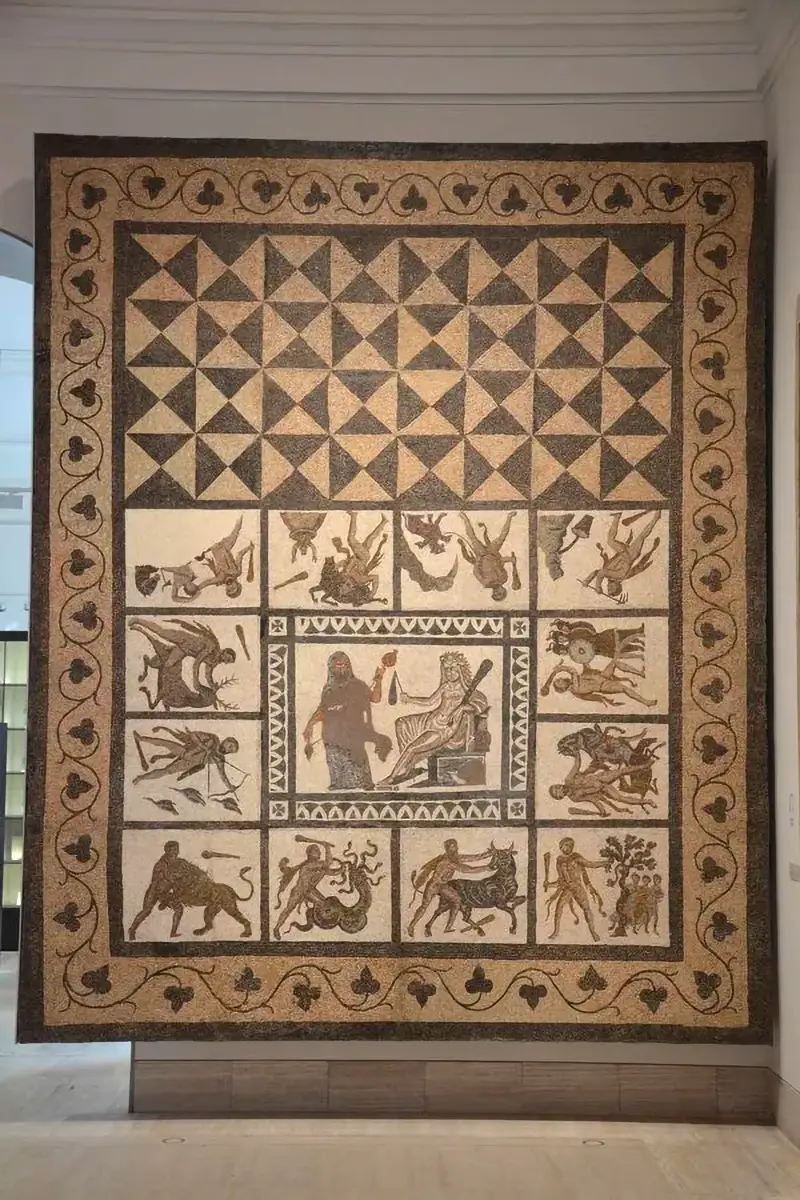
MOSAIC OF THE TWELVE LABOURS
OF HERCULES
Ca Porcar Mosaic
Discover the Roman mosaic of Ca Porcar in Llíria, an exceptional piece of mosaic art depicting the Twelve Labours of Hercules and one of the most remarkable finds from Roman Edeta.
A gem of Roman mosaic art
The Ca Porcar mosaic is one of the most unusual archaeological pieces ever found in ancient Edeta. Dating from the Roman imperial period, it once adorned a high-status residence and stands out for the quality of its craftsmanship and the rich imagery of its scenes.
The Twelve Labours of Hercules
The composition depicts the famous Twelve Labours of Hercules, the most popular hero of classical mythology. A series of panels recounts the feats he had to accomplish, from fighting the Nemean lion to capturing Cerberus. These scenes reflect values such as effort, perseverance and triumph over adversity, all highly prized in Roman society.
A record of life in Edeta
Beyond its artistic value, the mosaic offers valuable insight into the culture and Mediterranean influences present in the Roman city of Edeta. Its preservation sheds light on the wealth and sophistication enjoyed by some of the families who lived in Llíria during the Roman Empire.
PRACTICAL INFORMATION
· Opening hours: Tue-Fri 10:00-14:00 and 17:00-19:00 / Sat-Sun and public holidays 10:00-14:00 and 17:00-18:00
· Location: Av. dels Furs, 11, 46160 Llíria
ORACULAR SANCTUARY AND BATHS OF MURA
Llíria's great archaeological treasure
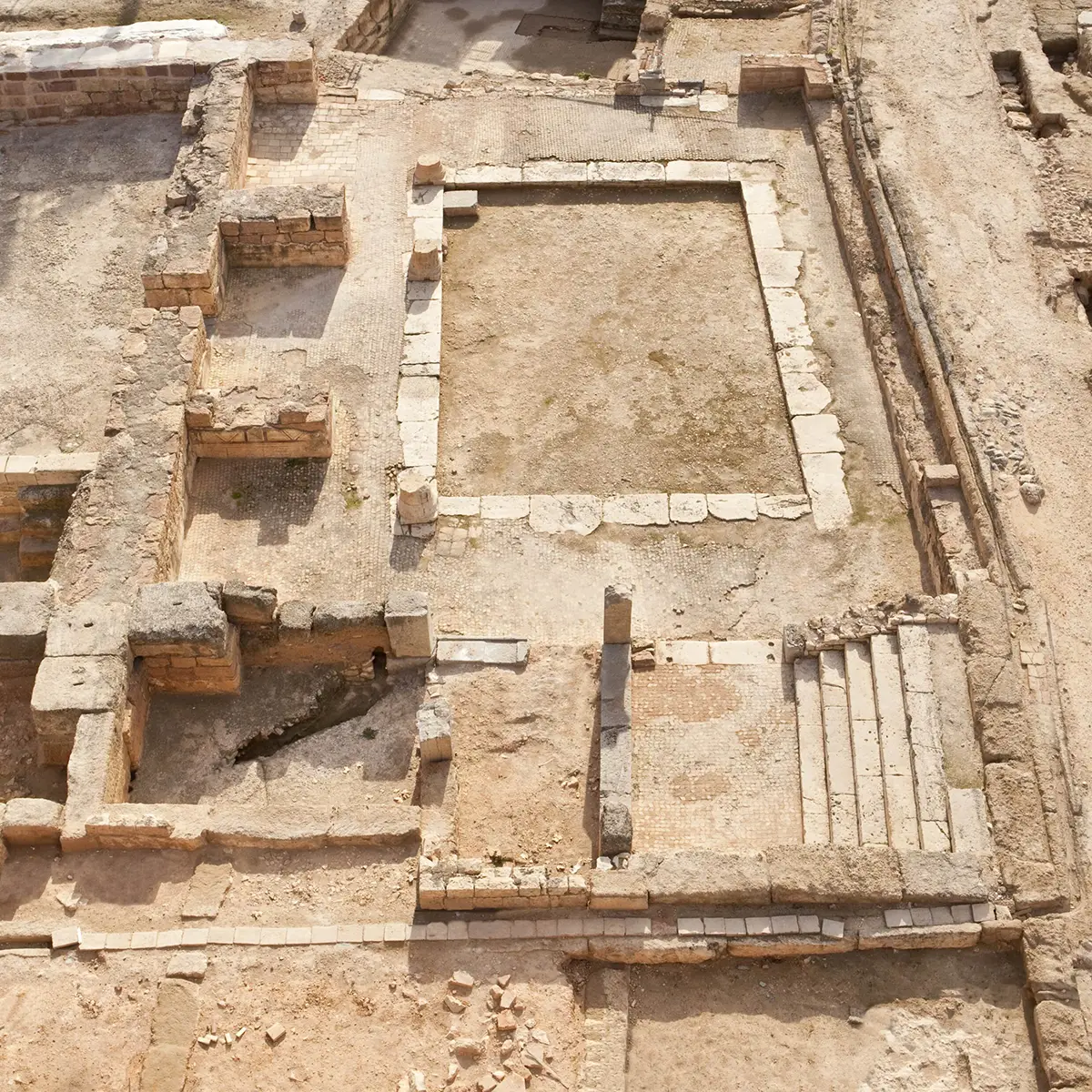
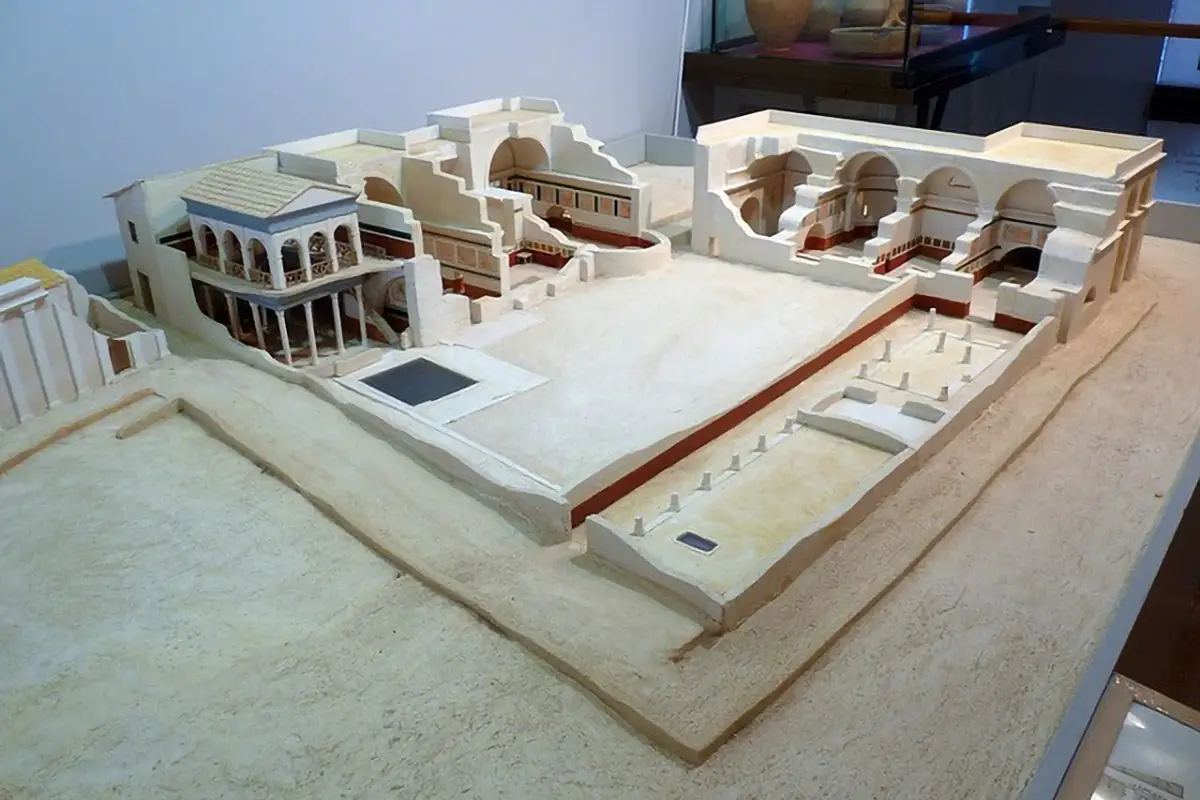
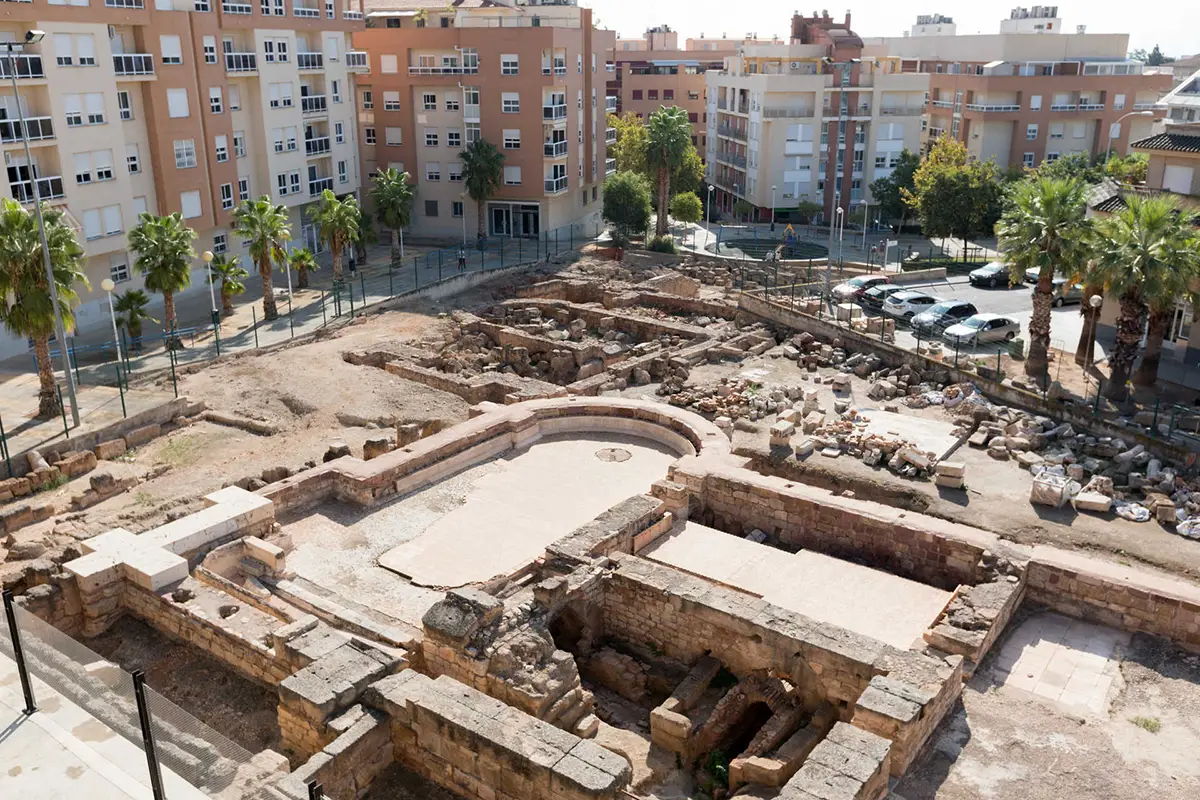
The Oracular Sanctuary and Roman Baths of Mura is, without doubt, Llíria's most spectacular and unusual monument. This architectural complex of almost 20,000 m², one of the most important and singular in Roman Hispania, was commissioned by Marcus Cornelius Nigrinus, consular senator, contender for the imperial throne and one of the most powerful men of the 1st century AD.
A complex unique in Hispania
The site comprises two large buildings:
The Oracular Sanctuary, a Greek-style temple with an oracle well that drew pilgrims from all over the region to consult the future. An oracular temple is extraordinarily rare in Hispania, making Llíria a unique case in the Roman West.
The Twin Baths, in the Pompeian style, are divided into two independent sections, one for men and one for women, each with a frigidarium, tepidarium and caldarium. They are considered the first baths with an indoor pool in Hispania and are larger than those of Pompeii, making them one of the most important bath complexes in the western Roman world.
A story of power and ambition
The man behind the complex, Marcus Cornelius Nigrinus Curiatius Maternus, was one of the most influential figures in the Roman Empire under Domitian and Nerva. A native of Edeta (present-day Llíria), Nigrinus rose to become governor of the provinces of Moesia and Syria and was a contender for imperial power. By building the sanctuary and baths in his home town, Nigrinus displayed both his power and his bond with the land of his birth.
Audiovisual room and guided tours
A modern audiovisual room explains the historical and archaeological context of the complex. Guided tours, available in several languages, offer an in-depth look at the extraordinary story behind these ruins.
PRACTICAL INFORMATION
· Opening hours: Tue-Fri 10:00-14:00 and 16:00-18:00 / Sat-Sun and public holidays 10:00-14:00
· Price: Free admission
· Guided tour: Book at the Tourist Info — 962 79 15 22 / 667 48 22 94
· Address: C/ Sant Vicent Ferrer, 19, 46160 Llíria