Renaissance
and Baroque Heritage
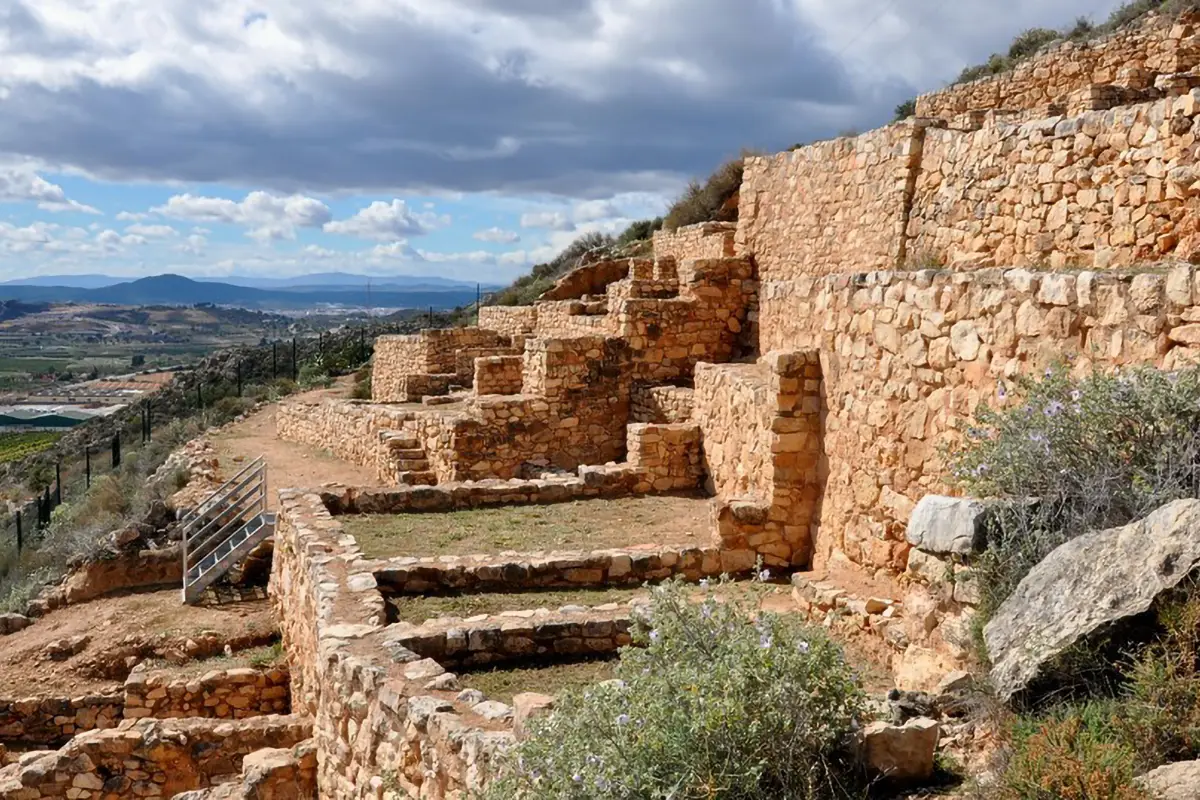
Llíria was the capital of Edetania, one of the largest and most important Iberian territories on the Iberian Peninsula. From the 7th century BC, ancient Edeta held political and economic sway over a vast territory stretching from the River Júcar to the Palancia. Today, three archaeological sites preserve the memory of this fascinating civilisation.
BASILICA OF THE ASSUMPTION
17TH-CENTURY VALENCIAN BAROQUE
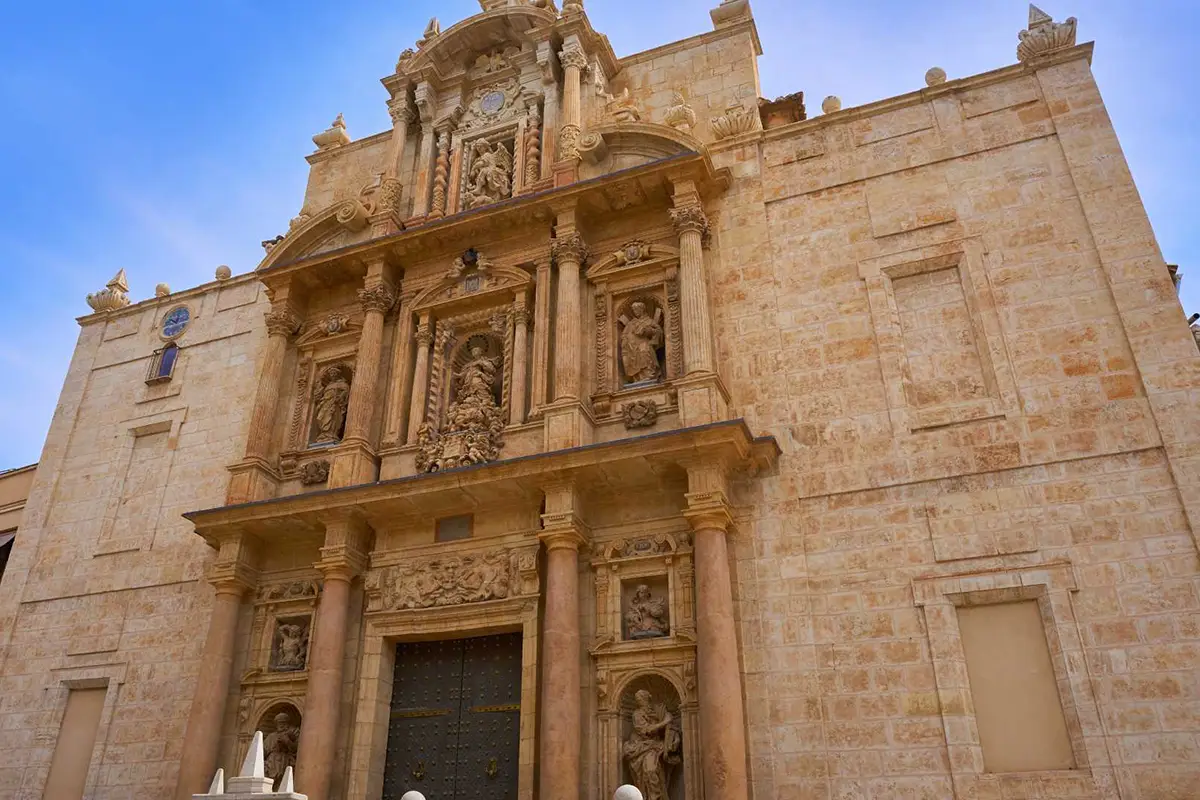
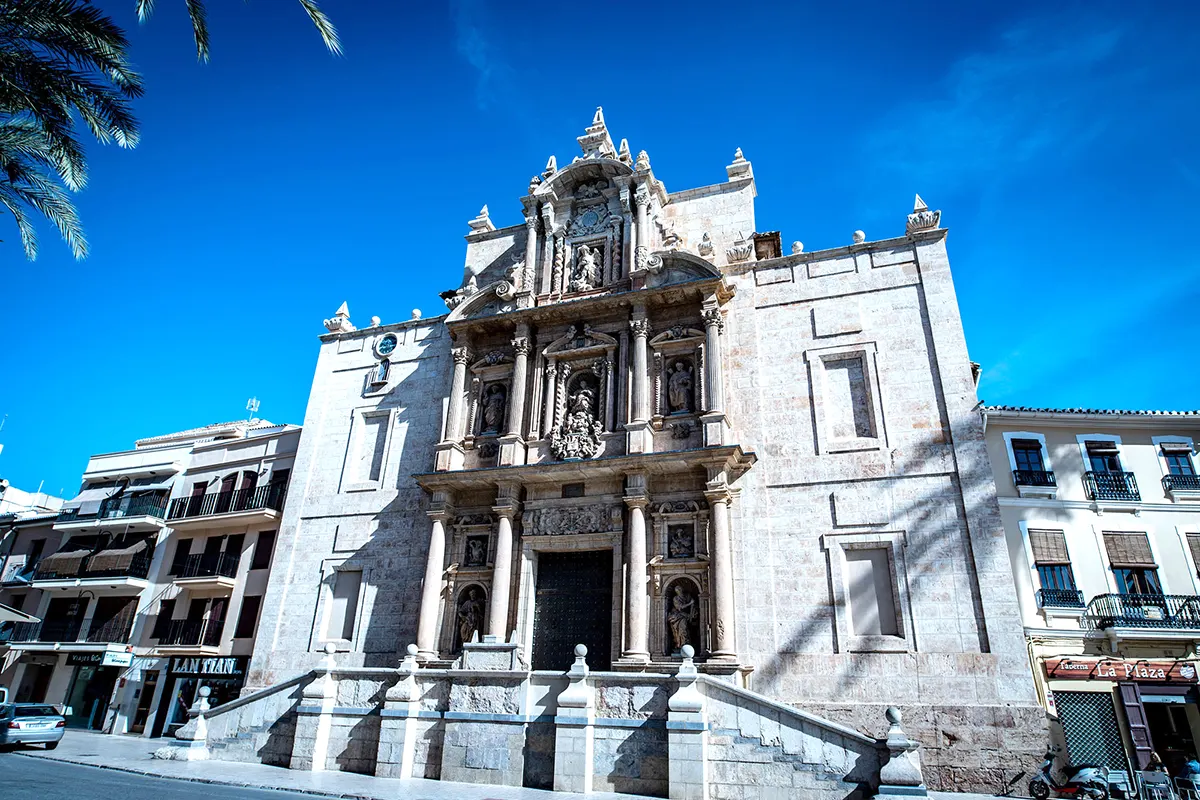
The Basilica of the Assumption in Llíria is a gem of 17th-century Valencian Baroque. Its spectacular altarpiece façade is one of the most impressive Baroque façades in the Valencia region.
Llíria's great basilica
The Basilica of the Assumption is the largest and most important church in Llíria. Built in the 17th century in the Valencian Baroque style, its imposing bulk and spectacular façade dominate the town's skyline.
The altarpiece façade: the great Baroque spectacle
The most extraordinary feature of the Church of the Assumption is its magnificent altarpiece façade, considered one of the most impressive in Valencian Baroque. Laid out like a stone altarpiece with niches, columns, entablatures and rich sculptural decoration, the façade is a true visual spectacle that has drawn the admiration of visitors and scholars for centuries.
The interior: art and devotion
The interior of the church, with three naves separated by pillars, holds important works of art: a slender dome that floods the crossing with light, Baroque altarpieces and, at the high altar, the marble tomb of María Teresa de Silva y Palafox, the last Duchess of Alba, who died in Llíria.
THE DUCHESS OF ALBA IN LLÍRIA
The tomb of the last Duchess of Alba makes the Basilica of the Assumption a place of historical interest beyond its artistic value. María Teresa de Silva y Palafox, painted by Goya, chose Llíria as her final resting place, strengthening the historical ties between the town and the House of Alba.
CA LA VILA
15TH-CENTURY RENAISSANCE PALACE
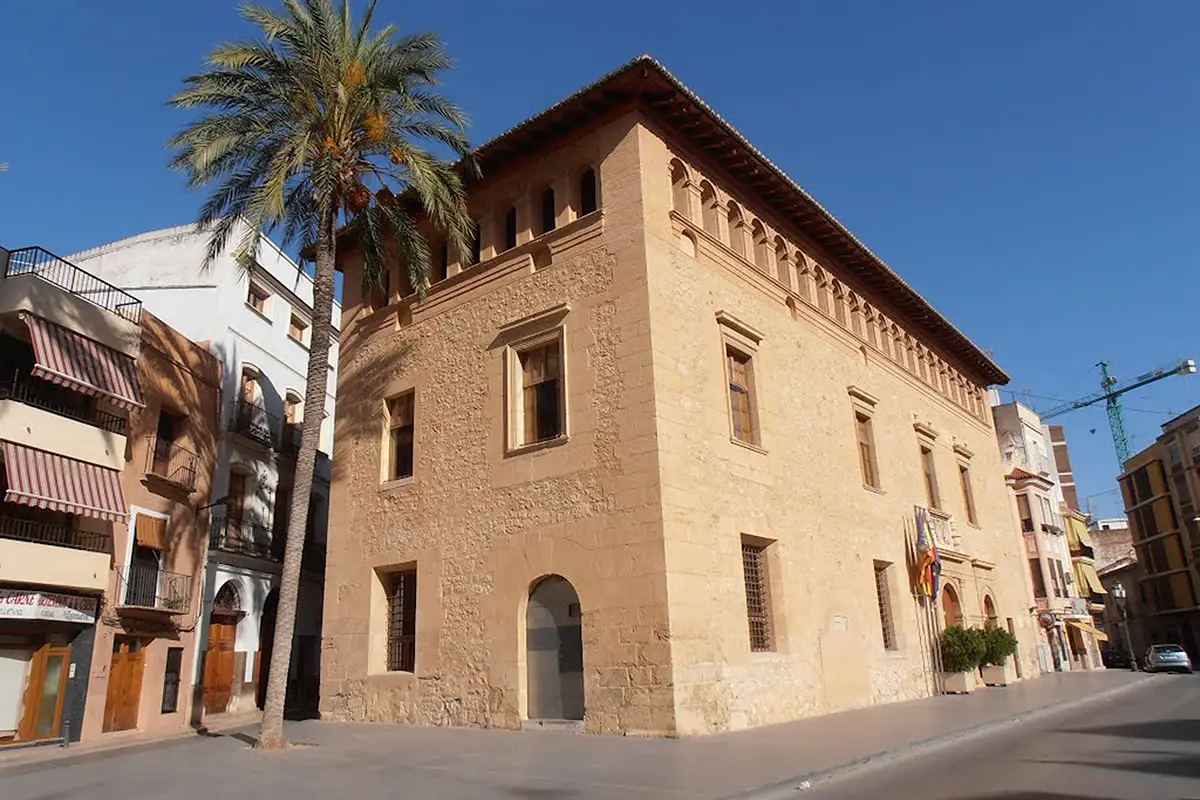
Ca la Vila is Llíria's former town hall, a 15th-century building with a spectacular gallery of round arches. It is one of the finest examples of Renaissance civil architecture in the area.
The old seat of town government
Ca la Vila (literally "the town house") was for centuries the centre of Llíria's local government. This 15th-century building housed the Cámara del Jurado, the governing body of the medieval and early modern town. Its soberly elegant Renaissance architecture contrasts with the ornate Baroque that dominates other buildings in the town.
An exceptional arched gallery
The highlight of Ca la Vila is the gallery of round arches on the upper floor, which gives the building the lightness and elegance typical of 15th-century Valencian civil architecture. The building also retains spacious rooms with diaphragm arches reminiscent of the great halls of medieval Valencian palaces.